How Long Do Gutters Last in Bloomingdale’s Humid, Coastal Climate?
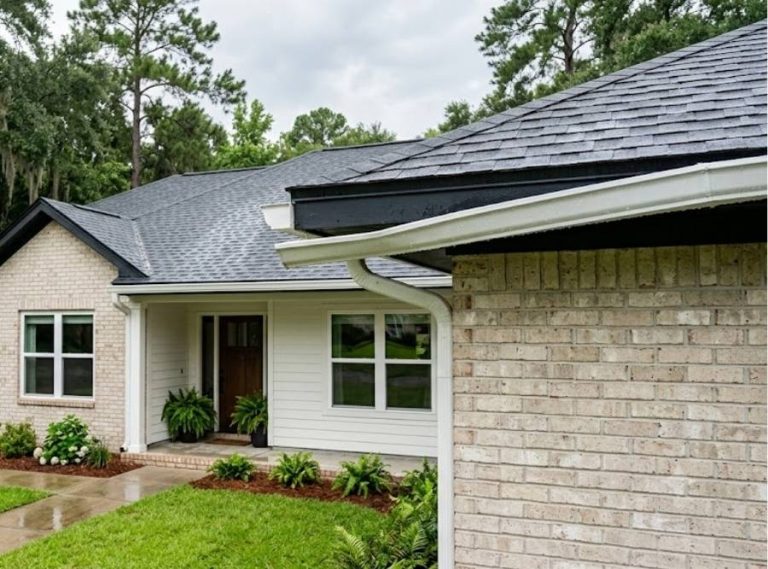
Most properly installed aluminum gutter systems can last for decades, but Bloomingdale’s humidity, frequent rain, coastal air, tree debris, and intense sun can shorten their practical service life when maintenance is delayed or installation quality is poor. The real replacement point is not determined by age alone; it is reached when recurring leaks, sagging, loose fasteners, failing seams, or deteriorated fascia make repeated repairs less reliable than installing a new system.
There Is No Single Expiration Date for a Gutter System
Homeowners often want a simple answer when they ask how long their gutters should last. They may have heard that aluminum gutters can remain serviceable for 20 years or longer, so they assume every system should reach that age before replacement becomes necessary. In practice, gutter lifespan depends on much more than the calendar. Material thickness, installation quality, hanger spacing, roof size, tree coverage, maintenance frequency, and the condition of the fascia all influence how long the system continues moving water safely.
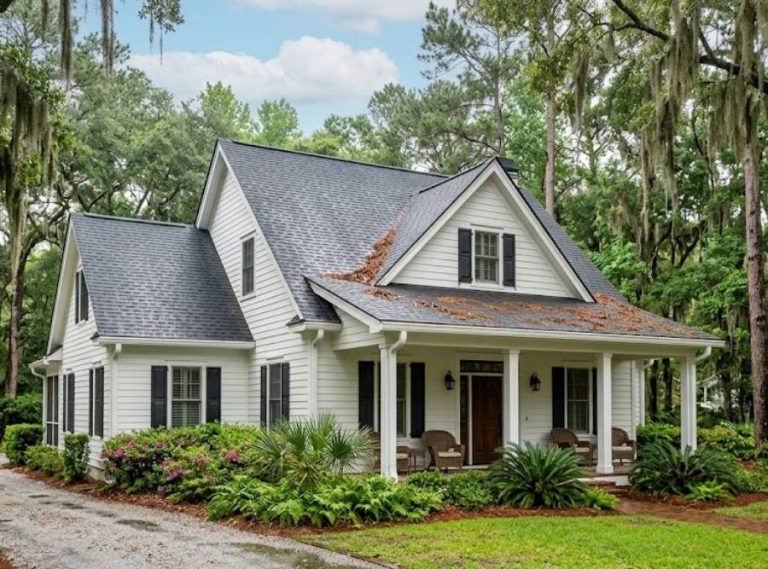
Two homes in Bloomingdale can have gutters installed during the same year and experience very different outcomes. A home in an open section near newer development toward Pooler may receive less leaf buildup and dry more quickly after storms. An older property near downtown Bloomingdale, Pine Barren Road, Black Creek, or another established area with mature trees may deal with pine needles, oak leaves, shade, and prolonged moisture that place considerably more stress on the system.
This is why age should be treated as one diagnostic clue rather than the sole reason to repair or replace gutters. A 12-year-old system with proper pitch, intact seams, sound fascia, and regular maintenance may still have substantial life remaining. Another system of the same age may already be sagging, leaking at multiple corners, and pulling away because wet debris, weak attachment points, or poor installation accelerated its deterioration.
Bloomingdale’s Climate Can Shorten the Practical Life of Gutters
Bloomingdale is not directly on the oceanfront, but it remains part of the humid coastal Georgia environment influenced by Savannah, the surrounding tidal region, and weather systems moving inland from the Atlantic. Gutters spend much of the year exposed to high humidity, frequent thunderstorms, warm temperatures, ultraviolet radiation, and periods of wind-driven rain. These conditions do not destroy gutters overnight, but they repeatedly expose every seam, fastener, hanger, outlet, and painted surface to moisture and heat.
High humidity matters because materials dry more slowly between rain events. A gutter containing pine needles, oak leaves, pollen, or decomposing organic material may remain damp long after the roof and siding appear dry. Moisture trapped against seams and hardware increases the likelihood of corrosion, sealant degradation, staining, and standing water. The gutter may still look intact from the ground while deterioration is developing around fasteners, outlets, corners, and hidden attachment points.
Coastal air can contribute additional oxidation, particularly on steel screws, brackets, and other hardware used with aluminum gutter sections. Aluminum does not rust in the same way as untreated steel, but it can corrode and oxidize, especially where dissimilar metals, scratches, trapped moisture, or poor-quality hardware are involved. In many aging gutter systems, the aluminum trough is not the first component to fail. The screws, hangers, sealant, fascia, or downspout connections weaken first and compromise the performance of the larger system.
Bloomingdale’s strong sunlight also affects longevity. Repeated exposure to heat and ultraviolet radiation causes sealants to dry, shrink, and lose flexibility. During hot afternoons, long metal gutter runs expand, and they contract again as temperatures fall. Over many years, this movement can place stress on miters, end caps, joints, and downspout connections, especially when the original installation does not allow the system to move evenly.
Seamless Gutters Still Have Vulnerable Connection Points
The word “seamless” sometimes creates the impression that a gutter system contains no joints and therefore cannot leak. Seamless gutters eliminate the frequent section-to-section seams found in older sectional systems, but they still have connections at inside and outside corners, end caps, downspout outlets, and transitions around complex rooflines. These points depend on proper fabrication, mechanical attachment, and durable sealant.
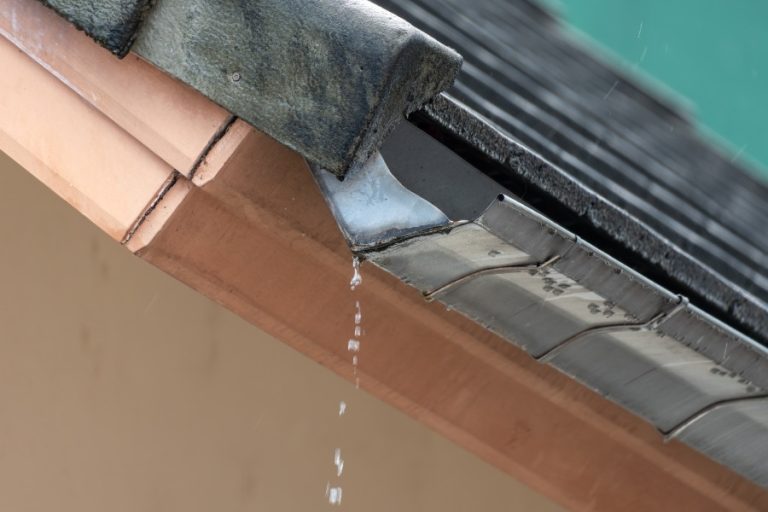
Corners are often the first places homeowners notice recurring leaks. A small drip at one miter may appear only during heavy rain at first. Over time, the leak becomes more visible, staining the fascia or leaving a persistent wet spot below the corner. Resealing may restore performance when the metal remains sound and the joint is stable, but repeated failure at multiple corners can indicate that the system is reaching an age where the materials and sealants are no longer responding well to isolated repairs.
Downspout outlets are another common aging point. The outlet opening carries concentrated flow and remains vulnerable to trapped debris, sealant deterioration, movement, and corrosion around screws. A leak near an outlet may be mistaken for a clogged downspout or overflow, but it can also result from a failing connection that allows water to escape before entering the downspout.
A seamless gutter system can therefore remain highly reliable for many years, but it is not maintenance-free or immune to aging. Its lifespan depends partly on how well these unavoidable connection points were installed and how quickly developing leaks are addressed.
The Fasteners and Fascia May Fail Before the Gutter Trough
When homeowners see a gutter pulling away from the house, they sometimes assume the aluminum has worn out. In many cases, the more serious failure is occurring behind the gutter. Hidden hangers or older spikes depend on solid fascia wood to support the weight of the trough, retained rainwater, and accumulated debris. If the fascia softens from repeated moisture exposure, the fasteners lose their grip even when the visible gutter metal remains usable.
Older spike-and-ferrule systems often provide early warning by repeatedly backing out. A homeowner may hammer the spikes into place after noticing a gap, only to see them loosen again during the next season. This is not always because the spike itself is defective. The wood may no longer provide enough holding strength, or the gutter may be carrying excess weight because of standing water, poor pitch, or debris accumulation.
Modern hidden hangers distribute loads more evenly, but they still depend on correct spacing and secure attachment. Gutters installed with too few hangers may sag between attachment points, especially during heavy rainfall. As the trough changes shape, water begins collecting in low sections instead of flowing toward the outlets. That retained weight places even more strain on the fasteners and fascia, creating a cycle that gradually accelerates separation.
Replacing hangers can be a reasonable repair when the fascia is solid and the gutter has not become badly distorted. Installing new hardware into rotted or weakened wood, however, only hides the underlying problem temporarily. A complete evaluation should determine whether the attachment system, fascia board, or both need attention.
Maintenance Can Add Years to a Gutter System’s Service Life
Gutter lifespan is strongly influenced by how long debris and standing water are allowed to remain inside the system. Homes surrounded by mature pines and hardwoods often collect material faster than homeowners expect. Pine needles interlock into dense mats, oak leaves block outlets, and pollen forms a sticky residue that holds fine debris against the gutter floor. In Bloomingdale’s humid climate, this material can remain wet for extended periods.
Routine cleaning reduces more than the risk of an immediate clog. It also removes weight, allows surfaces to dry, protects sealants from prolonged moisture exposure, and makes early corrosion or separation easier to see. A clean gutter is less likely to retain standing water that stresses hangers and low points after every storm.
Maintenance should include downspouts as well as the visible trough. A gutter may appear clean but remain full after rainfall because an outlet or elbow is partially blocked. When water cannot leave efficiently, the system stays wet, overflows more frequently, and carries unnecessary weight. Over time, this can shorten the life of the hangers, seams, fascia, and gutter profile.
Gutter guards may reduce the amount of large debris entering the trough, but they do not eliminate maintenance. Pine needles, pollen, seeds, leaves, and roof granules can collect on top of or beneath many guard systems. The gutters and outlets still need periodic inspection, particularly on wooded properties or after tropical weather.
Early Aging Often Appears Between Five and Ten Years
Many well-installed gutter systems remain in good condition during their first decade, but minor age-related issues can begin appearing between approximately five and ten years depending on exposure and workmanship. Homeowners may notice a loose downspout strap, a small corner leak, minor sealant shrinkage, or one hanger that needs adjustment. These conditions do not necessarily mean the system needs to be replaced.
This period is when maintenance quality begins making a visible difference. A system that has been kept clean and inspected regularly may need only limited repairs. A system that has spent several years filled with wet pine straw or standing water may already show sagging, outlet corrosion, and fascia staining despite being relatively young.
Installation defects also tend to become more noticeable during this stage. Poor pitch may cause water to remain in one section. Inadequate hanger spacing can produce a slight wave along a long run. Improperly sealed corners may begin leaking as the original sealant ages. Correcting these issues early can prevent them from placing additional strain on the rest of the drainage system.
Homeowners should therefore avoid using age alone to dismiss problems on a younger system. Gutters do not need to be decades old before installation quality, maintenance conditions, or environmental exposure create meaningful failures.
Systems Between Ten and Twenty Years Need Closer Evaluation
Between roughly ten and twenty years, gutter condition can vary widely. Some systems remain structurally sound with only routine sealant and hardware maintenance. Others begin requiring increasingly frequent repairs at corners, hangers, outlets, and downspout connections. This is often the period when homeowners start asking whether they are repairing the same problems too often.
One leaking corner may be a localized issue. Several leaking miters, repeated hanger adjustments, sagging on multiple elevations, and downspouts separating from the gutter indicate a broader aging pattern. The individual repairs may still be possible, but the overall reliability of the system becomes more important than whether each defect can technically be patched.
Fascia condition should be examined carefully during this age range. Years of minor overflow or hidden dripping can soften wood behind an otherwise presentable gutter. Paint peeling beneath the roof edge, stains behind the gutter, loose fasteners, or water running between the gutter and fascia can indicate that the attachment surface has been exposed to moisture.
A professional inspection should distinguish between an aging system that can be restored through targeted repairs and one where multiple components are failing together. Replacing every gutter solely because it has reached a certain age may be unnecessary, but continuing to patch a deteriorating system can eventually cost more than planning a coordinated replacement.
Gutters More Than Twenty Years Old Often Reach a Practical Replacement Point
Once a gutter system has been in service for more than twenty years, its remaining life depends heavily on material quality, installation, maintenance history, and exposure. Some systems continue performing well beyond that point, particularly when they were built from heavier-gauge material, installed with proper pitch, and kept free of debris. Others begin showing widespread deterioration that makes continued repair less dependable.
The most important question is not whether the gutters have crossed a specific age threshold. It is whether failures are becoming frequent, widespread, and interconnected. A system with one leaking end cap may still be a good candidate for repair. A system with several leaking corners, loose hangers, low sections, separated downspouts, corroded hardware, and deteriorated fascia is often approaching the point where replacement offers better long-term value.
Older systems may also reflect drainage standards or installation practices that are no longer well matched to the home. The roof may have been expanded, architectural additions may have changed runoff patterns, or a long gutter run may still rely on too few downspouts. Replacing an aging system provides an opportunity to correct those performance weaknesses rather than recreating the same layout with new materials.
Homeowners should also consider how much confidence they have in the system before major storms. Gutters that require emergency resealing or repeated fastening after every rainy season may still be physically attached, but they are no longer providing dependable roof drainage. In Bloomingdale, where summer thunderstorms and tropical weather can expose small weaknesses quickly, reliability matters as much as visible appearance.
Aluminum Gutters Can Corrode Even Though They Do Not Rust Like Steel
Homeowners sometimes believe aluminum gutters cannot corrode because they do not develop the same reddish rust associated with untreated steel. Aluminum is naturally resistant to rust, but it can still oxidize, pit, stain, and deteriorate under the right conditions. Scratched finishes, standing water, wet organic debris, incompatible fasteners, and prolonged coastal exposure can all contribute to corrosion.
Brown streaks do not always mean the aluminum itself is rusting. They may originate from steel screws, brackets, roof components, or debris trapped around attachment points. However, discoloration around seams and fasteners should not be ignored, especially when it appears alongside leaks, pitting, or weakening metal.
Galvanic corrosion can also occur when dissimilar metals remain in contact in the presence of moisture. Using unsuitable screws or replacement hardware may create a reaction that accelerates deterioration around the connection. This is one reason do-it-yourself repairs using whatever fasteners are available can create longer-term problems despite appearing secure initially.
Surface oxidation alone does not always require replacement. The more important issue is whether the metal has become thin, perforated, structurally weak, or unable to hold sealant. Painting over corrosion may improve appearance temporarily, but it does not restore lost material or correct the moisture conditions that caused it.
Recurring Leaks Are More Important Than a Single Failed Joint
A single leak at a gutter corner does not automatically mean the entire system has reached the end of its life. Miters and end caps are repairable components, and properly cleaning and resealing a stable joint can provide additional years of service. The pattern becomes more concerning when new leaks continue appearing throughout the system.
Repeated joint failure may indicate aged sealant, excessive movement, poor support, standing water, or metal distortion. If one corner is resealed and another begins leaking shortly afterward, the system may be experiencing broader expansion and attachment problems. Continuing to seal each visible drip without evaluating the gutter’s shape, pitch, and support can lead to an endless cycle of short-term repairs.
The repair history is often more informative than the gutter’s exact age. A 15-year-old system that has needed only occasional maintenance may remain dependable. A younger system that has required repeated resealing, re-pitching, and hanger replacement may have installation or design deficiencies that make replacement more practical.
Homeowners should keep track of where repairs have been completed and whether the same locations fail again. When sealant repeatedly separates because the gutter is moving, sagging, or holding water, the visible leak is only a symptom of the larger structural issue.
Sagging Is a Structural Warning, Not Just a Cosmetic Problem
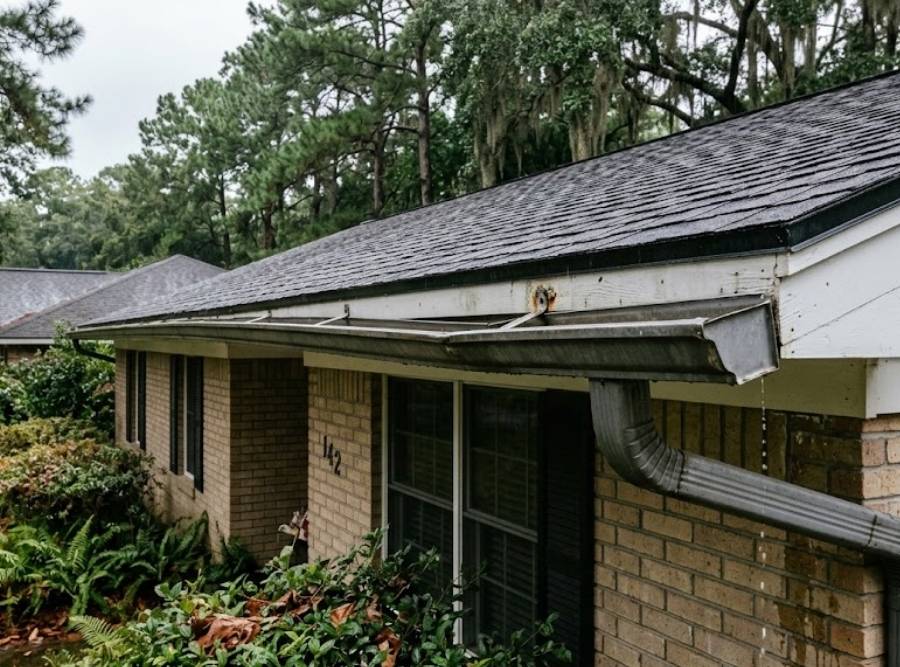
Gutters should maintain a controlled slope toward their outlets, but they should not appear wavy, bowed, or visibly low between hangers. Sagging changes how water moves through the system and creates pockets where rainwater and debris remain after a storm. Those low areas become heavier over time, placing additional pressure on the fascia and attachment hardware.
A minor sag may sometimes be corrected with properly spaced hangers when the gutter profile and fascia remain sound. More severe distortion can permanently change the shape of the trough, making it difficult to restore proper drainage even after additional supports are installed. Water may continue collecting in the damaged section because the metal no longer holds its original form.
Sagging also increases the likelihood of overflow during moderate rainfall. The system may appear clean, but water becomes trapped in a low point instead of traveling efficiently toward the downspout. Homeowners may continue scheduling cleanings because the symptoms resemble a blockage, while the real problem is loss of slope and structural support.
When gutters begin separating from the fascia, the condition becomes more urgent. A water-filled section can be heavy, especially when combined with wet leaves or pine straw. Loose gutters above walkways, driveways, or entrances create a safety risk and should be evaluated before another major storm adds more weight and wind pressure.
Water Behind the Gutters May Signal Fascia Damage
One of the most important signs of an aging gutter system is water running behind it rather than over the front edge. This can happen when the gutter pulls away from the fascia, the drip edge no longer directs water correctly, fasteners loosen, or the attachment wood begins deteriorating.
Because the damage develops behind the gutter, it may remain hidden for years. The homeowner sees occasional dripping or peeling paint but does not realize that moisture is repeatedly reaching the wood supporting the system. By the time the gutter visibly separates, the fascia may no longer be strong enough to hold new fasteners securely.
Replacing gutters without addressing damaged fascia can shorten the life of the new installation. The replacement system depends on a solid attachment surface, and fastening into softened wood may lead to early loosening or sagging. This is why older gutter evaluations should include the roof edge and support structure rather than focusing only on the visible metal.
Soffit staining, soft wood, paint failure, dark streaks, and loose spikes are all reasons to investigate further. Early fascia repairs may be localized. Once rot spreads along the roof edge or into adjacent trim, the project becomes more extensive and expensive.
Repairs Make Sense When the System Is Structurally Sound
Repair remains a practical option when problems are limited and the rest of the gutter system continues functioning correctly. Resealing one stable corner, replacing a damaged end cap, securing a loose downspout, correcting a small pitch issue, or adding a few hangers can extend the life of an otherwise reliable system.
The key is that the supporting materials must still be sound. New hangers should attach to solid fascia, sealant should bond to clean and stable metal, and the gutter profile should retain its original shape. Repairs are most successful when they address a specific defect rather than compensating for widespread deterioration.
Homeowners should also consider whether the existing system is adequately sized for the roof. Repairing a leaking seam makes sense if the gutters handle runoff correctly once sealed. It is less useful when the entire system overflows repeatedly because the gutter size, downspout capacity, or layout is inadequate.
A professional assessment should explain whether the proposed repair is expected to restore normal performance or simply delay an inevitable replacement. This helps homeowners avoid spending repeatedly on small fixes that do not improve the system’s overall reliability.
Replacement Is Usually More Practical When Problems Have Spread
Full replacement becomes more reasonable when multiple elevations are sagging, several joints leak, fasteners will not stay secure, downspouts are separating, or corrosion affects large portions of the system. At that point, individual repairs may cost less initially but fail to provide a consistent result.
Replacement also makes sense when the fascia requires significant work. Removing the old gutters allows damaged attachment areas to be exposed, repaired, and prepared for a new system. Reinstalling deteriorated gutters after fascia repairs may save materials in the short term, but it can leave the homeowner with old joints, hardware, and outlets that continue failing.
An aging system may also be replaced during roof work. Coordinating gutters with a roof replacement can improve the relationship between the drip edge, fascia, and gutter position. It also reduces the chance that new roofing work damages already fragile gutters or that an old drainage system compromises the performance of recently completed exterior improvements.
The goal of replacement should be more than installing fresh metal. The new system should address the roof area, gutter capacity, downspout placement, valley runoff, discharge locations, and maintenance conditions that affected the old system.
Larger Homes and Commercial Properties Place More Stress on Gutters
Long gutter runs experience more expansion and contraction than short residential sections. This makes commercial buildings and larger Bloomingdale homes more vulnerable to movement at corners, outlets, and attachment points. When long runs are not properly supported, small pitch errors can also create broad sections of standing water.
Large roof areas produce greater runoff volumes, placing additional strain on outlets and downspouts. An older gutter system may have performed adequately when first installed but begin struggling as low spots develop or outlets become partially restricted. Even a small reduction in capacity can become noticeable when a large roof sends water into the system during an intense thunderstorm.
Multi-story homes place greater demands on downspouts as well. Water gains speed as it travels through long vertical sections, and loose straps or separating elbows may begin rattling during wind and rain. A downspout that detaches near the top can direct a large volume of water against siding, windows, or lower roof sections.
Commercial property owners and managers often replace failing sections proactively because overflow can affect entrances, sidewalks, inventory areas, and tenant spaces. Residential homeowners benefit from the same preventive approach when aging gutters are located above porches, driveways, electrical fixtures, or frequently used walkways.
Vacation Homes and Rental Properties May Age Without Obvious Warning
Properties that are not occupied year-round often go longer between visual inspections. A leaking corner or sagging section may continue through several storms before anyone notices. By the time the issue is reported, landscaping may already be eroded or fascia damage may have developed behind the gutter.
Rental properties face a similar challenge because tenants may report active leaks without recognizing slower warning signs. Water stains, persistent dripping, downspout separation, and minor overflow can be overlooked until they interfere with an entrance or create visible interior damage.
For these properties, scheduled inspections are more reliable than waiting for occupant complaints. A preventive visit before the main storm season can identify loose fasteners, blocked outlets, aging sealant, and developing fascia problems while repairs remain manageable. Property managers should also keep records of cleaning and repair history. When the same section requires attention repeatedly, those records help determine whether continued repair is reasonable or whether the system should be included in a replacement budget.
Do-It-Yourself Repairs Can Hide the Real Failure
Some maintenance tasks are reasonable for homeowners who can perform them safely from the ground, such as observing drainage during rain, checking downspout discharge, and removing accessible debris. The risk increases when homeowners begin re-pitching long gutter runs, climbing onto wet roofs, or fastening loose sections into wood they have not inspected.
Hammering old gutter spikes back into place is a common temporary fix. If the fascia has weakened, the spikes may loosen again because the wood can no longer hold them. Repeatedly driving them into the same holes can further damage the attachment point without restoring dependable support.
Caulking leaks also requires more than applying sealant over a wet or dirty joint. The old material usually needs to be removed, the surfaces cleaned and dried, and the joint checked for movement or distortion. Sealant applied over corrosion, algae, or deteriorated material may peel away quickly.
Mixing incompatible metals, over-tightening screws, or bending gutter profiles by hand can introduce new problems. When structural support, fascia condition, or system pitch is involved, a repair should be based on a complete evaluation rather than the most visible symptom.
The Best Time to Evaluate Gutters Is Before They Begin Detaching
Many homeowners wait until a gutter is hanging from the roof edge before considering replacement. By that point, the system may have already caused extensive fascia, soffit, landscape, or drainage damage. Evaluating the system earlier creates more repair options and allows the work to be planned instead of handled as an emergency.
Recurring corner leaks, loose downspouts, fasteners that repeatedly back out, visible low spots, and water behind the gutter all indicate that the system should be inspected. These symptoms do not always require replacement, but they show that the gutter is no longer functioning as a simple maintenance-free channel.
Preparing before hurricane season is particularly important in Bloomingdale. Heavy rain and wind place additional weight and pressure on loose or deteriorated sections. A gutter that barely remains attached during normal weather may pull away when filled with stormwater and wet debris. A preventive inspection can identify whether cleaning, resealing, hanger replacement, fascia repair, or full system replacement is the appropriate next step. The earlier the cause is identified, the easier it is to protect the surrounding structure.
Gutter Lifespan Depends on Performance More Than a Number
There is no exact age when every gutter system in Bloomingdale must be replaced. Aluminum gutters can remain effective for decades, but their practical lifespan depends on the quality of the original installation, the strength of the fascia, exposure to trees and moisture, maintenance frequency, and how well the system handles the roof’s runoff.
The most useful indicators are recurring performance problems. Gutters that drain quickly, remain secure, and show only isolated wear may have years of service remaining. Gutters that leak at multiple locations, hold standing water, pull away from the fascia, or require constant repairs are showing that their dependable service life is ending.
At Spartina Seamless Gutters, we evaluate more than the age of the metal. We inspect the gutter profile, seams, miters, hangers, fasteners, fascia, downspouts, outlets, pitch, and runoff patterns to determine whether targeted repairs can restore reliable drainage or whether replacement is the better long-term solution.
If your Bloomingdale gutters are sagging, leaking repeatedly, developing corrosion, or pulling away from the house, an inspection can help you make the decision before the next major storm turns routine deterioration into damage along the roof edge, foundation, crawlspace, or landscaping.